The Lead That Came In While You Were at Lunch Already Chose Someone Else
There’s a number few clinics measure, and it’s the one doing the most damage: the average time between a lead coming in and someone on the team actually contacting them. According to Forbes, that number in most businesses is 47 hours. Nearly two full days. In that window, the lead has already searched Google, found three other clinics, spoken with at least one of them, and at best still vaguely remembers you.
A Harvard Business Review study that analyzed 2.24 million sales leads found that companies that respond within the first hour are 7 times more likely to have a meaningful conversation with a qualified prospect. Responding within the first 5 minutes multiplies that probability by 100. Not 100% more — a hundred times more likely. And yet only 37% of companies respond within the hour.
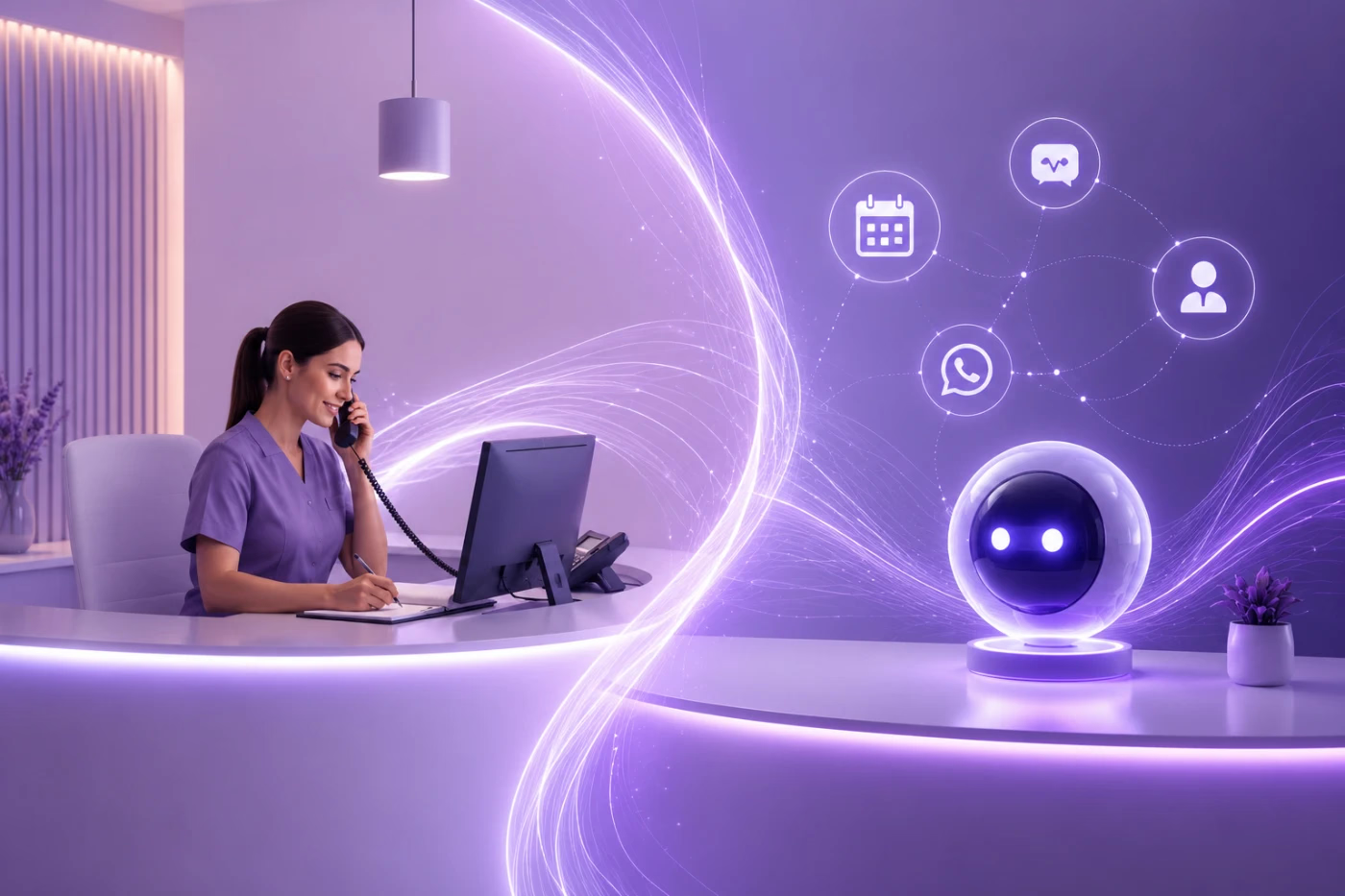
The problem isn’t that clinics don’t want to respond quickly. It’s that they depend on a person being available at the exact moment a lead comes in. And in practice, that doesn’t happen.
Automating Is Not the Same as Robotizing
The instinctive reaction when a clinic starts growing is to hire someone to handle lead responses. And when that’s not enough, the idea of “automating” comes up. The problem is that automating poorly — generic messages, bot-sounding replies, cold sequences — can be worse than not responding at all. A lead that receives “Hi, we got your inquiry. Someone will be in touch shortly” already knows they’re talking to a form, not a person. That first impression is hard to undo.
The distinction that matters isn’t between automatic and human. It’s between impersonal and personalized. A message can be generated automatically and still feel like someone wrote it with that specific person in mind. The difference is in the data the message uses, not in whether a human hand touched it before it was sent.
Properly nurtured leads generate 47% more purchase volume than contacts that receive no follow-up, and companies that excel at nurturing generate 50% more conversion-ready leads at 33% lower cost, according to research from Forrester Research and Annuitas Group. The question isn’t whether to automate. It’s how to design the system so automation adds rather than subtracts.
A System That Responds Like a Person and Scales Like a Machine
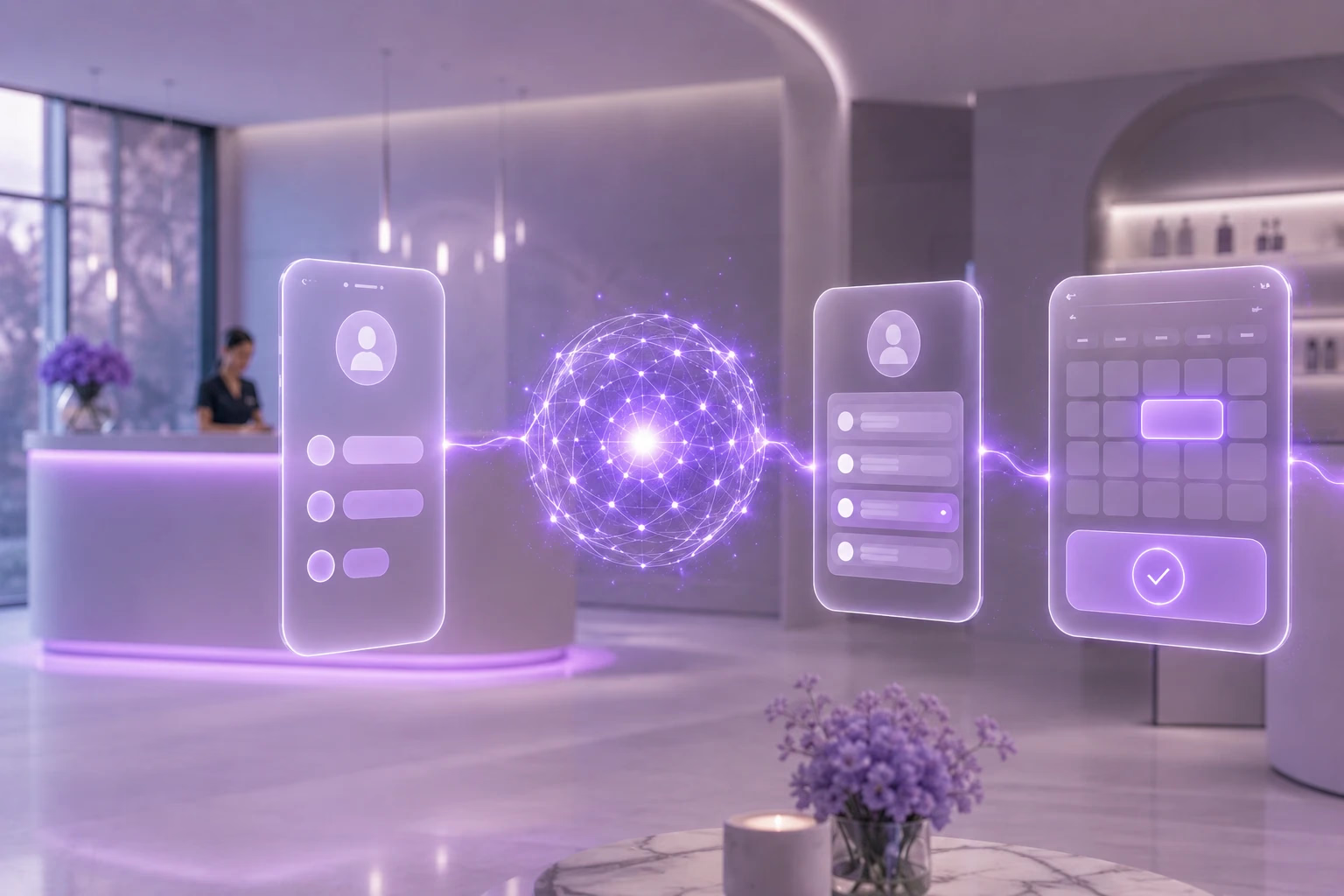
The architecture we use at Floix for medical and aesthetic clinics operates on three layers that don’t function independently — they feed each other.
The Five-Minute Window
The first message is always automatic. But personalization isn’t optional: it’s the only reason it works. If the lead came in through a body treatment ad, the message references body treatments. If they reached out outside business hours, the message acknowledges that and sets a concrete expectation. If the source was organic search, the tone is more consultative than promotional.
The difference between a message that converts and one that doesn’t usually comes down to three variables: it uses the name, it references the entry point, and it proposes two specific time options instead of saying “we’ll be in touch.” “Would today at 3pm or tomorrow at 10am work for you?” forces a choice between two yeses, not between yes and no.
This doesn’t require a human to write it in the moment. It requires the system to have access to the right data and someone to have designed the personalization logic upfront. The work happens once; the result repeats every time a lead comes in.
The Seven Days Most Clinics Waste
If the lead doesn’t respond to the first message within the first few hours, most clinic sales teams do one of two things: they call once and write it off, or they leave it in the CRM hoping someone remembers to follow up. 44% of salespeople give up after a single follow-up attempt, even though 80% of sales require between five and twelve interactions before closing, according to Peak Sales Recruiting 2024 data.
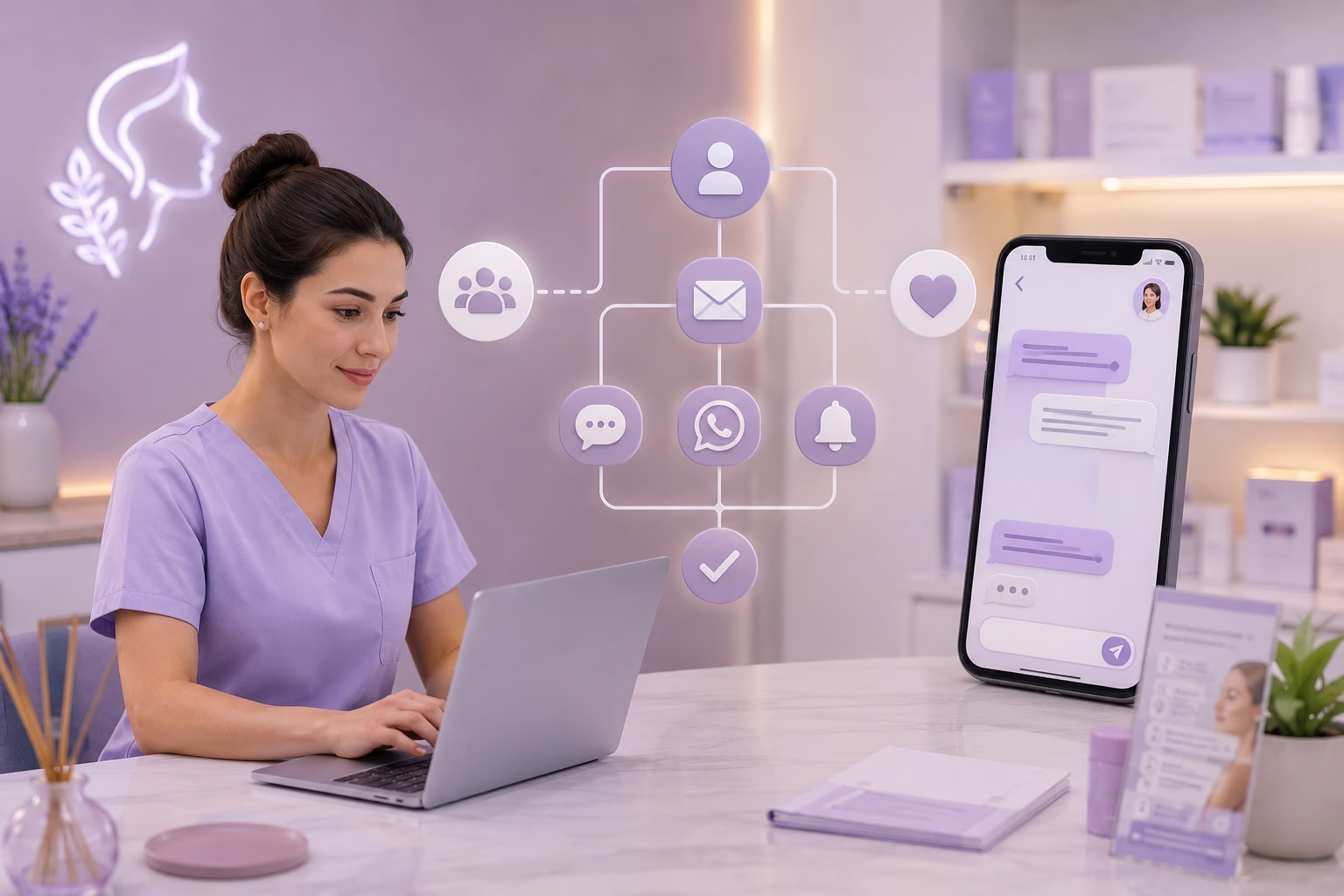
The nurturing sequence we implement covers seven days with four touchpoints across different channels. Day one (four hours after the unanswered first message): a WhatsApp with a simple question. Day two: an email with content directly related to the treatment of interest. Not a generic newsletter — a specific resource that someone genuinely considering that particular treatment would find useful. Day four: a patient testimonial or similar case via WhatsApp. Day seven: a soft close with a complimentary consultation offer.
The tone throughout the entire sequence assumes the person is evaluating, not that they’re ready to buy. That changes everything about the copy. A message speaking to someone who is considering is completely different from a message speaking to someone who has already decided. Confusing the two is the most common mistake we see in the nurturing sequences we review.
The Moment the Machine Hands Off to the Human
At some point in the sequence, the lead’s behavior shifts. They reply with a question about price. They ask about availability on specific dates. They mention a particular condition they want to ask about. Those are high-intent signals, and the system needs to recognize them to trigger what we call the handoff: a notification to the team with the full conversation context up to that point.
What the provider or coordinator receives isn’t just “there’s an interested lead.” It’s: which treatment they’re interested in, which channel they came from, what day and time they responded, what questions they asked. The conversation doesn’t restart. It continues from where the system left off, with a human who already knows who they’re talking to.
That’s what separates a well-designed handoff from an improvised one. The team doesn’t start from zero. The patient doesn’t have to repeat what they already said. And the probability of closing rises because the human arrives at exactly the moment the lead is most receptive.
The Rule We See Ignored Most Often
Some clinics try to automate the entire process up to the point of confirming the appointment. For low-complexity, low-ticket treatments, that can work. For any treatment where the patient needs to speak with someone before committing — which is most medical and aesthetic treatments at mid and high ticket — it doesn’t. Conversion rates drop, the patient feels like they’re buying from an e-commerce site, and the clinical relationship that justifies the service price never gets built.
The rule we use is simple: AI finds, qualifies, and nurtures. The team closes and retains. Not because humans are irreplaceable throughout the entire process, but because there’s a moment in conversion — the moment when the patient has to trust enough to put their body on the line — where human presence matters. Automating that specific moment is the most expensive design mistake a clinic can make.
What Changes When the System Works
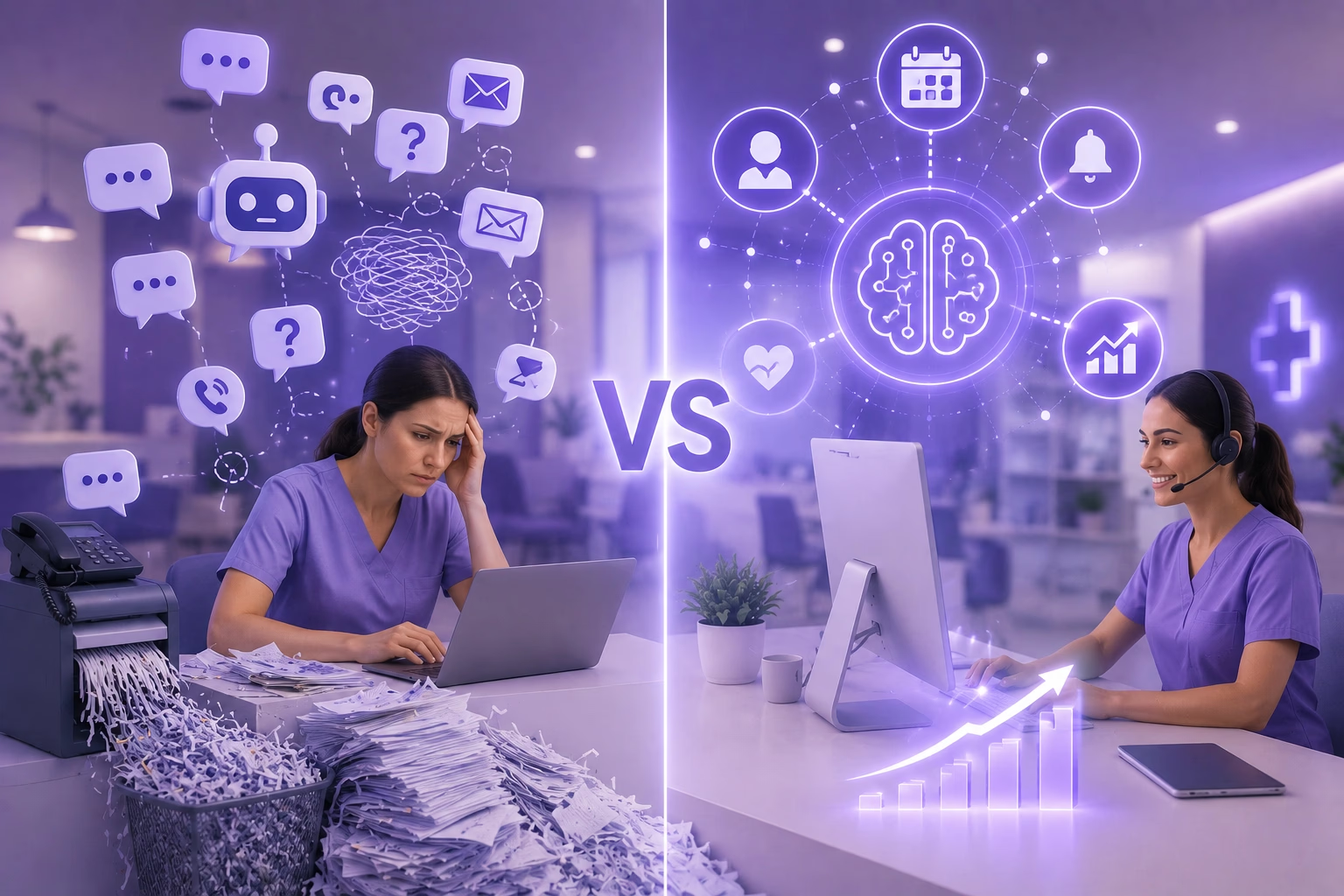
With this framework properly implemented, the clinics we work with see three measurable shifts. The effective contact rate — leads that actually had a conversation with the clinic within the first seven days — rises from a range of 35–40% to 70–80%. First-response time goes from hours to minutes. And the manual workload on the follow-up team drops by around 60%, because the system pre-qualifies and only escalates the leads that have already shown intent.
Those numbers aren’t theoretical. They’re what clinics see when they move from a receptionist answering WhatsApp between appointments to a system that responds in seconds and delivers qualified leads ready to close.
The cost of not having this isn’t abstract. It’s the lead that came in Saturday at 8pm while the team was off. The one who sent an Instagram message and received a reply Monday at 11am. The one who found the clinic across the street in the meantime and already booked there. Those leads don’t show up in any report because they never became a formal opportunity. But they exist — and there are far more of them than most clinic directors are willing to estimate.
Frequently Asked Questions
How complex is it to implement an automated follow-up system in a clinic that doesn’t have a CRM? The minimum starting point is a basic CRM with WhatsApp integration. You don’t need complex infrastructure to implement the first two layers of the system. What matters most is having lead data centralized before starting to design the flows — without that, the personalization that makes automation work isn’t possible.
How do you prevent automatic messages from sounding like spam or chatbots? Real personalization — not just inserting the name, but referencing the specific treatment, source channel, and time of contact — is what makes a message feel human rather than automated. The other factor is tone: messages should assume the person is evaluating, not that they’ve already decided. A message that pushes to close on first contact always sounds like a bot, regardless of whether a human or an AI generated it.
When in the sequence should the handoff to the human team happen? When the lead shows high-intent signals: asks about price, a specific date, a particular condition, or simply replies with more than one sentence. Those signals indicate the person has moved from evaluating to actively considering — and that’s the moment when the conversation gains more from a human than from an automated sequence.
What happens to leads that don’t respond during the full seven-day nurturing sequence? They move to a long-term follow-up list with a much lower frequency — one monthly or bimonthly contact with value-based content, no sales pressure. Some leads that don’t convert in the first seven days do so weeks or months later. Not abandoning them entirely is part of getting a return on the acquisition cost that was already paid to bring them in.
Does automation apply the same way for small clinics as for those with multiple providers? The logic is the same, but the system complexity adjusts to the volume. A clinic with a single provider and 20 leads per month can start with simple WhatsApp flows and a tracking spreadsheet. A clinic with multiple specialties and 300 monthly leads needs a more robust CRM with automatic scoring. The principle — respond fast, nurture with context, hand off at the right moment — doesn’t change with size.
We diagnose your operation and show you exactly which module solves your bottleneck.